

How blockchain transactions work remains an essential topic for anyone navigating modern virtual currency exchange systems. Members utilizing platforms like BC GAME often notice faster processing times compared to traditional fiat methods. Plunging headfirst into the cryptographic matrix unlocks profound clarity regarding your routine daily virtual asset movements.
Understanding how blockchain transactions work
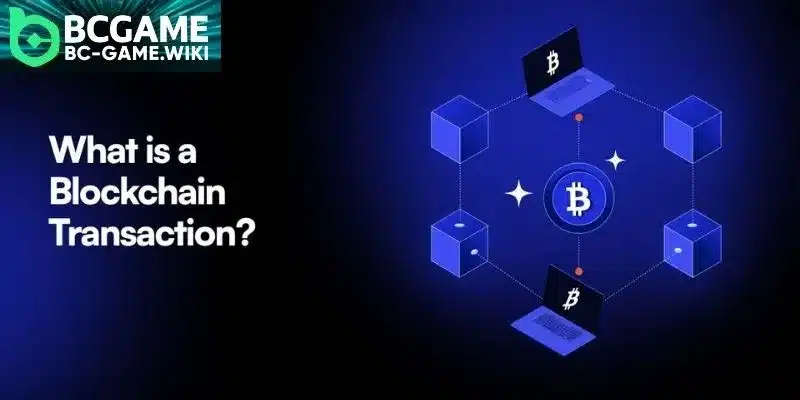
The core mechanism behind decentralized finance operates through a distributed ledger maintained by multiple independent nodes. Complex cryptographic mathematical puzzles validate each digital transfer before adding verified data into newly generated blocks. A player initiating a payment broadcasts specific details across the entire active network for immediate verification.
Once validators confirm the raw information, miners group pending requests into a secure cryptographic data structure. This specific block then attaches permanently to the existing chain ensuring complete transparency and immutable records. Finding out how blockchain transactions work helps you appreciate the security protocols protecting digital asset movements.
Traditional fiat banking systems require trusted intermediaries to approve transfers, adding unnecessary delays and operational costs. Utilizing modern networks allows premium platforms such as BC GAME to process user deposits within minutes. You gain absolute control over personal wealth without relying on any centralized financial institution or authority.
Examining how blockchain transactions work
Delving deeper into the system architecture reveals multiple layers of cryptographic security protecting your valuable assets. Every single network participant plays a crucial role in maintaining overall public ledger integrity and stability. Achieving global consensus prevents malicious double spending attacks across the entirely decentralized virtual peer computing environment.
How blockchain transactions work initially
The first logical step begins when a user creates a digital signature to authorize a transfer. Private mathematical keys encrypt the outgoing payment request to guarantee strict authentication throughout the entire process. This cryptographic signature proves genuine ownership and prevents unauthorized remote access to the designated virtual wallet.
After signing the critical message, the local application broadcasts raw data to interconnected peer computer nodes. These individual operating nodes independently verify the provided digital signature against distributed public historical accounting records. A rapid widespread propagation ensures all active participants receive the basic payment information within short seconds.
Network mempool and data storage
Verified but unconfirmed transfers sit waiting patiently inside a temporary digital storage area called the mempool. Dedicated miners constantly monitor this specific holding pool to select high-value requests for their upcoming blocks. You might experience noticeable delays if the active queue becomes heavily congested during high activity periods.
Paying a higher native network fee incentivizes miners to prioritize your specific transfer over competing requests. How blockchain transactions work involves an open market where processing priority correlates directly with attached fees. Users must carefully calculate optimal gas prices to ensure swift confirmation times without overspending on costs.
Mining process and block creation
Specialized computing machines compete fiercely to solve incredibly complex mathematical puzzles required to propose a block. The first diligent miner finding the correct cryptographic hash immediately broadcasts the solution to the network. Other active participants quickly validate the newly discovered block to ensure strict adherence to protocol rules.
This robust decentralized verification acts as a powerful shield to prevent fraudulent malicious data entry completely. Once a clear majority consensus forms, the newly validated block permanently attaches itself to the chain. The successful winning miner receives a predetermined amount of freshly minted cryptocurrency alongside collected user fees.
Network confirmations and absolute security
A digital transfer achieves its first vital confirmation immediately after being included inside a validated block. Subsequent sequential blocks added onto the main chain provide additional protective layers against potential reorganization attacks. Most virtual exchanges strictly require multiple network confirmations before confidently crediting deposited funds to member accounts.
How blockchain transactions work ensures altering past historical records becomes exponentially harder as the chain grows. Sophisticated attackers would need to control over half the total network computing power to reverse payments. This reliable economic security model effectively protects billions of USD flowing through the decentralized ecosystem daily.
Final settlement and balance updates
Once adequate required confirmations accumulate seamlessly, the receiving party considers the digital currency transfer permanently settled. Their designated personal wallet application automatically updates the displayed balance reflecting the newly acquired token amount. The entire verification process happens transparently, allowing anyone to track the precise flow of moving funds.
Decentralized technology effectively eliminates chargeback risks commonly associated with traditional centralized credit card payment gateway services. Global merchants benefit immensely from receiving instant final payments without worrying about sudden unexpected bank reversals. A player retains absolute full sovereignty over their private wealth thanks to immutable censorship-resistant financial protocols.
Analyzing how blockchain transactions work
Different digital currency platforms employ highly unique structural variations to handle decentralized payments efficiently across borders. Processing speed and associated baseline fees might differ significantly depending on the specific chosen technological networks. Understanding these subtle technical nuances helps a user easily select the most appropriate protocol for operations.
Bitcoin network processing methods
The original foundational cryptocurrency utilizes a secure proof of work mechanism prioritizing absolute security over speed. Processing a standard basic payment might cost several USD during unexpected periods of extreme digital congestion. How blockchain transactions work on this pioneer decentralized network set the reliable standard for subsequent technologies.
Ethereum smart contract executions
Moving far beyond simple currency transfers, this advanced platform executes complex programmatic instructions called smart contracts. Users must consistently supply adequate gas limits measured in native digital tokens to power computational operations. A completely failed programmatic execution still consumes paid gas fees, making accurate limit estimations absolutely crucial.
Layer two scaling solutions
Innovative supplementary off-chain networks efficiently handle thousands of simultaneous rapid micro-payments to reduce overall mainnet congestion. These vital secondary layers periodically bundle multiple individual transfers together before settling the final compressed data. This clever technical approach drastically lowers the required USD fee while maintaining underlying base security guarantees.
Proof of stake alternatives
Modern ecological protocols rapidly replace energy-intensive mining procedures with dedicated validators who lock up capital securely. How blockchain transactions work under this specific modern model allows for significantly faster block generation timeframes. Network participants actively delegating their personal holding tokens can earn passive yield rewards while supporting validation.
Cross chain bridge protocols
Specialized complex interoperability solutions enable the seamless smooth transfer of diverse virtual assets between isolated networks. These technological bridges temporarily securely lock tokens on one side and mint equivalent representations elsewhere automatically. Users frequently navigating multiple dynamic ecosystems rely heavily on these infrastructure tools to maximize liquidity options.
Conclusion
How blockchain transactions work fundamentally transforms our modern understanding of moving true value across borderless spaces. Engaging actively with innovative ecosystems like BC GAME provides practical daily exposure to revolutionary financial instruments. Grasping the underlying mechanical details deeply empowers you to navigate the expanding decentralized global economy confidently.
